Soot Damage Cleanup in Austin, TX
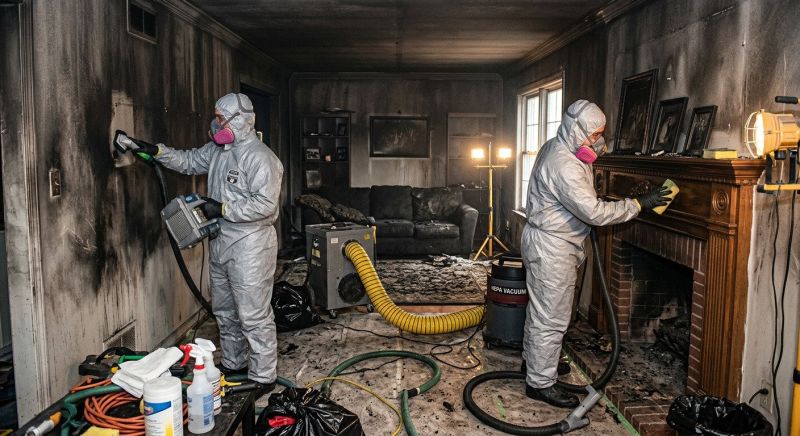
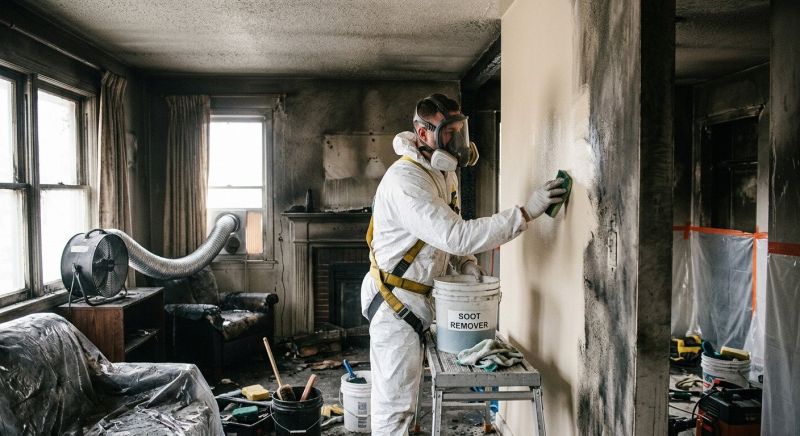
Soot damage cleanup services focus on removing and restoring areas affected by soot residue resulting from fires, smoke, or other combustion sources. This service typically covers cleaning walls, ceilings, HVAC systems, and other surfaces where soot particles settle, helping to improve indoor air quality and restore the appearance of the property. Homeowners often seek this service after experiencing a fire or smoke incident, wanting to ensure that all soot is thoroughly removed to prevent lingering odors and potential health concerns.
Before requesting soot damage cleanup, property owners usually want to understand the scope of the affected areas, the types of surfaces involved, and the extent of soot accumulation. It’s also important to consider whether additional repairs or repainting might be necessary after cleaning. Clear communication about the specific situation helps determine the most effective approach for restoring the property’s safety and appearance.
Many property owners in Austin, TX look into Soot Damage Cleanup for repairs, replacements, upgrades, and appearance-related improvements.
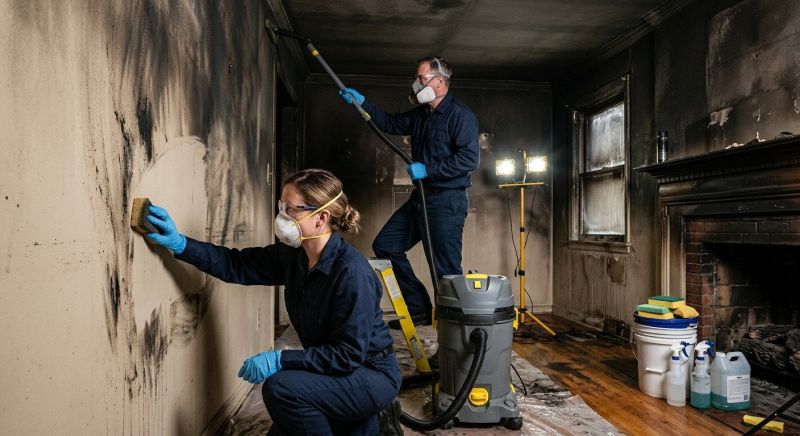
Understanding Soot Damage
Soot residue can affect indoor air quality and surface cleanliness after fires or smoke incidents.
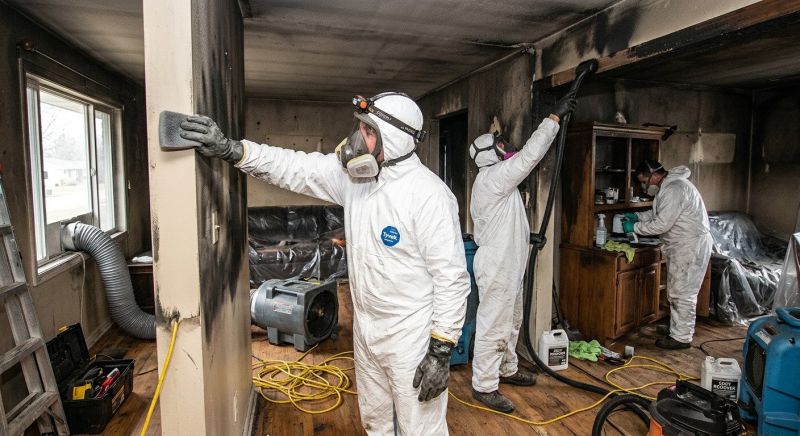
Cleanup Procedures
Effective soot removal involves specialized cleaning to restore surfaces and prevent ongoing damage.
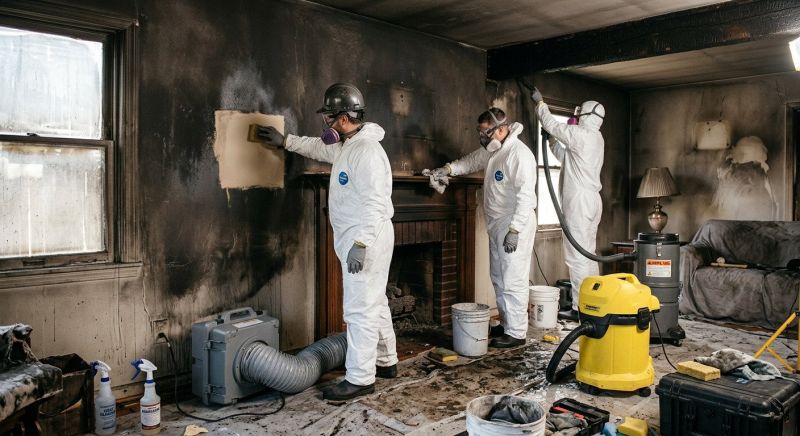
Property Restoration Tips
Proper soot cleanup helps protect property value and maintains a healthy living environment in austin, tx.
Soot Damage Cleanup in Austin, TX
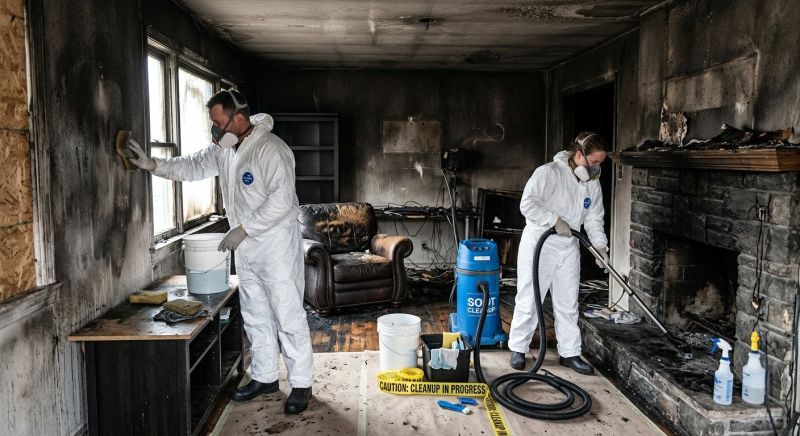
Soot damage cleanup services focus on removing and restoring areas affected by soot residue resulting from fires, smoke, or other combustion sources. This service typically covers cleaning walls, ceilings, HVAC systems, and other surfaces where soot particles settle, helping to improve indoor air quality and restore the appearance of the property. Homeowners often seek this service after experiencing a fire or smoke incident, wanting to ensure that all soot is thoroughly removed to prevent lingering odors and potential health concerns.
Before requesting soot damage cleanup, property owners usually want to understand the scope of the affected areas, the types of surfaces involved, and the extent of soot accumulation. It’s also important to consider whether additional repairs or repainting might be necessary after cleaning. Clear communication about the specific situation helps determine the most effective approach for restoring the property’s safety and appearance.
Many property owners in Austin, TX look into Soot Damage Cleanup for repairs, replacements, upgrades, and appearance-related improvements.
Common Soot Damage Cleanup Jobs
Soot Damage Cleanup - Restores indoor air quality by removing soot residues from surfaces and HVAC systems.
Fire Damage Restoration - Cleans and deodorizes areas affected by soot and smoke after a fire incident.
Car Fire Soot Removal - Eliminates soot deposits caused by vehicle fires on driveways and garages.
Commercial Soot Cleanup - Restores business spaces impacted by soot from fires or industrial incidents.
Residential Soot Cleaning - Safely removes soot buildup from walls, ceilings, and furniture in homes.
Smoke Odor Removal - Uses specialized techniques to eliminate lingering soot odors from indoor spaces.
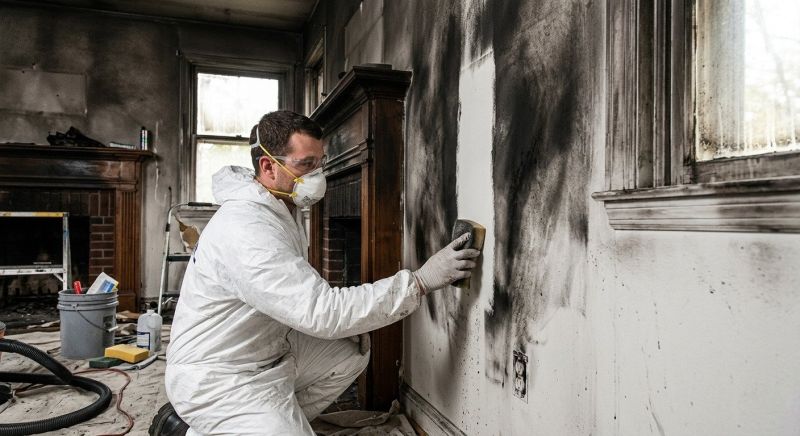
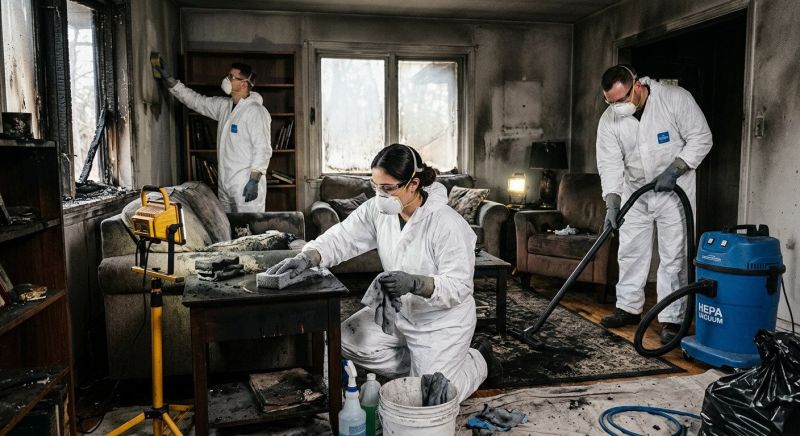
Soot Damage Cleanup Questions
What causes soot damage in homes? Soot damage typically results from smoke from fires, appliances, or heating systems that produce incomplete combustion.
How does soot affect property surfaces? Soot can stain walls, ceilings, and other surfaces, and may cause discoloration if not cleaned properly.
What materials are most vulnerable to soot damage? Porous materials like drywall, fabric, and wood are more prone to absorbing soot and can be more difficult to clean.
What should property owners do immediately after soot exposure? It's recommended to limit contact with soot, ventilate the area if possible, and contact a professional for cleanup services.
Request Soot Damage Cleanup in Austin, TX
Use the quote form on this page to share the basics of your project and request more information for the type of work you need.